
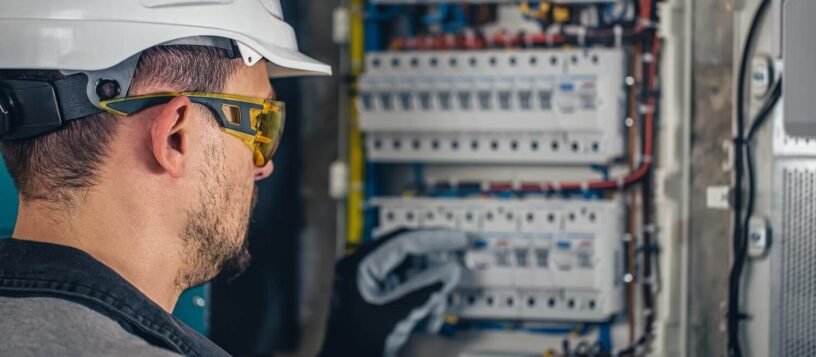
In Dubai’s rapidly growing urban landscape, many homeowners and businesses find themselves needing to upgrade their electrical capacity. Whether you’re installing additional air conditioning units, expanding your property, or incorporating energy-intensive equipment like EV chargers or industrial machinery, obtaining proper approval from the Dubai Electricity and Water Authority (DEWA) is not just a legal requirement – it’s a critical safety measure.
The consequences of operating with an overloaded electrical system can be severe. Beyond the inconvenience of frequent power trips and potential damage to expensive appliances, unauthorized load increases carry substantial fines from DEWA. More importantly, they create serious fire hazards due to overheating cables and overloaded circuits. This makes understanding the proper approval process essential for any property owner considering electrical system modifications.
Understanding When You Need a Load Upgrade
Recognizing the signs that your property requires an electrical load increase is the first step. Common indicators include circuit breakers that trip frequently, lights that dim when high-power appliances operate, or simply the addition of new equipment that strains your existing system. Properties undergoing expansion, whether adding new rooms, floors, or commercial spaces, will almost certainly need to upgrade their electrical capacity to accommodate the increased demand.
Determining your exact power requirements involves professional assessment. DEWA measures electrical load in Amperes (A) or Kilowatts (kW), and a licensed electrical contractor can evaluate your current DEWA contract capacity against your projected needs. For instance, a villa operating at 100A that needs to add two new AC units requiring 15A total would need to upgrade to at least a 115A system.
Navigating the DEWA Application Process
The process of applying for additional load approval can be initiated either by property owners themselves or through DEWA-approved contractors, with the latter typically resulting in faster processing times. Required documentation includes proof of ownership (title deed or Ejari), passport copies, technical drawings prepared by DEWA-certified engineers, and a detailed load calculation report.
Applications can be submitted through multiple channels: online via DEWA’s Smart Application portal, in-person at DEWA customer happiness centers, or most efficiently through authorized contractors who specialize in handling the entire approval process. Once submitted, DEWA engineers conduct a thorough review of the load calculations and inspect whether the existing electrical infrastructure can support the proposed increase.
Potential Challenges and Required Upgrades
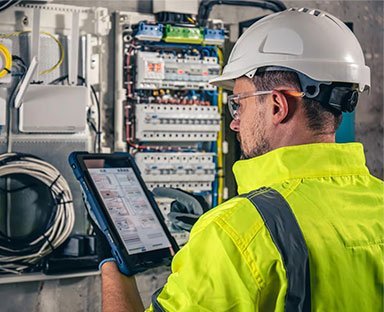
The approval process isn’t always straightforward. DEWA may reject applications if the current electrical infrastructure is inadequate, necessitating upgrades before approval can be granted. Common requirements include installing thicker cables capable of handling higher currents, upgrading distribution boards, and adding appropriate circuit breakers to maintain safety standards. These upgrades must be performed by licensed contractors to ensure compliance and must be completed before DEWA’s final inspection.
Understanding Costs and Timelines
Budgeting for a load increase involves several cost components. DEWA application fees typically range from AED 500 to AED 2,000, while technical drawings by certified engineers may cost between AED 1,000 and AED 3,000. The most significant expenses come from potential infrastructure upgrades, with cable and panel replacements costing anywhere from AED 5,000 to over AED 20,000 depending on the property size and complexity of the work. Contractor fees for handling the entire process generally fall in the AED 2,000 to AED 10,000 range.
Why Professional Assistance Matters
Engaging DEWA-certified contractors for your load increase project offers multiple advantages. Professionals help avoid common pitfalls like application delays or rejections by ensuring accurate load calculations and proper documentation. More importantly, they guarantee that all work meets Dubai’s stringent electrical safety standards, protecting your property from fire risks and ensuring compliance with all regulations. Perhaps most valuable is the time savings – experienced contractors can navigate the approval process much more efficiently than individual property owners.
The Final Steps to Approval
Once all necessary upgrades are completed, DEWA conducts a final inspection of the electrical work. Upon verifying compliance with all standards, they officially approve the load increase and adjust your account accordingly. This entire process, while potentially complex, is essential for ensuring your property’s electrical system can safely and reliably meet your power needs.
For property owners considering an electrical load upgrade, beginning with a professional assessment from a licensed contractor is the most reliable approach. Not only does this ensure all DEWA requirements are met from the outset, but it also provides peace of mind that your upgraded electrical system will operate safely and efficiently for years to come. With Dubai’s continuing development and the increasing power demands of modern appliances and technology, proper load management through official channels remains a crucial aspect of property ownership in the emirate.
